
Winter Protection
Snow Mold Prevention
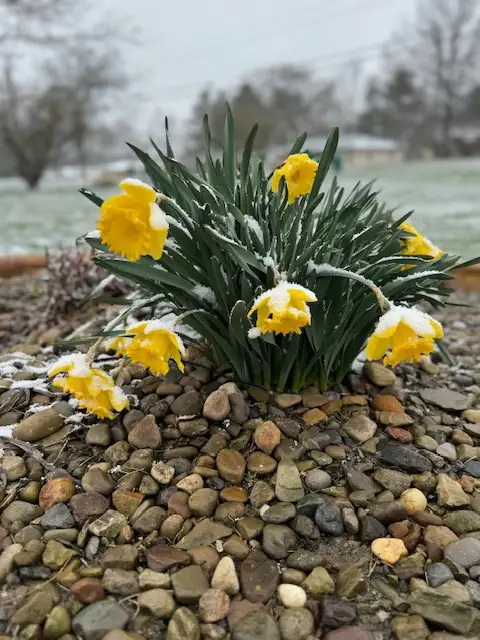
Snow mold is a fungal lawn disease that develops under prolonged snow cover during Ohio winters. It thrives in the cold, wet conditions between the soil surface and the insulating snow layer — an environment that exists for weeks or months across Northeast Ohio. When the snow melts in spring, the damage is revealed: circular patches of matted, discolored, or dead grass that can range from a few inches to several feet in diameter.
There are two types of snow mold common in Ohio. Gray snow mold (Typhula blight) appears as white to gray circular patches and usually damages the grass blades without killing the crown. Most lawns recover from gray snow mold with proper spring care. Pink snow mold (Microdochium patch) is more aggressive — it attacks both the blades and the crown, and severe cases can kill the grass entirely, requiring reseeding.
Our snow mold prevention treatment is a late-season fungicide application timed for November or early December, just before the ground freezes and persistent snow cover begins. The fungicide creates a protective barrier on the turf and in the thatch layer that suppresses fungal growth throughout the winter dormancy period.
This treatment is particularly important for properties with heavy shade, north-facing slopes, or areas where snow drifts accumulate and persist for extended periods. These conditions create the prolonged cold-wet environment that snow mold fungi need to develop. Homeowners in Parma, Seven Hills, North Royalton, and other communities that receive lake-effect snow are especially vulnerable.
Prevention is the only effective strategy. Once snow mold is active under the snow cover, there is nothing that can be done until spring. The late-fall treatment ensures your lawn is protected before the window closes.
Pest Protection
Surface Insect Control
Surface-feeding insects are among the most destructive lawn pests in Northeast Ohio because they cause damage that is difficult to detect until it becomes severe. Unlike grubs (which feed below the surface on roots), surface insects feed on grass blades, stems, and crowns at the soil surface — often hidden in the thatch layer where they are invisible from above.
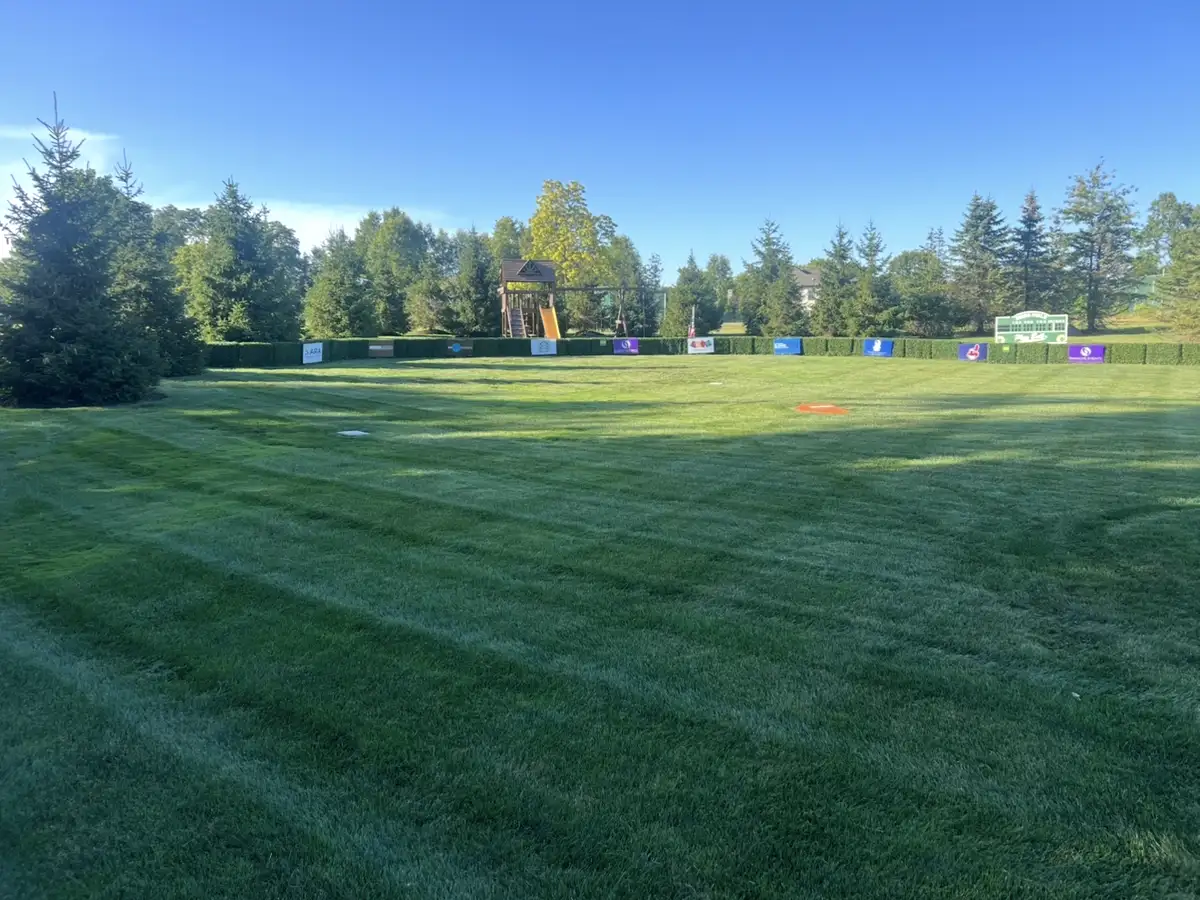
Chinch bugs are the most common surface pest in Ohio lawns. They insert their needle-like mouthparts into grass blades and suck out the plant juices while simultaneously injecting a toxin that prevents the grass from recovering. Chinch bug damage appears as irregular brown patches that spread outward from a central point, often mistaken for drought stress. They are most active during hot, dry periods in July and August — exactly when lawns are already under stress.
Sod webworms are the larval stage of small lawn moths. The caterpillars feed at night, chewing grass blades off at the crown and pulling them into silk-lined tunnels in the thatch. Damage appears as close-cropped, thinning areas that gradually expand. You may notice small, tan-colored moths flying in a zigzag pattern just above the lawn at dusk — this is the adult stage laying eggs for the next generation of destructive larvae.
Armyworms and cutworms are additional surface feeders that occasionally reach damaging levels in the Cleveland area. They feed on grass blades and stems, often moving across a lawn in a wave pattern that leaves a clear line between healthy and damaged turf.
Our surface insect control treatment uses professional-grade insecticides applied to the lawn surface and watered into the thatch layer where these pests live and feed. Treatment timing is critical — applications are most effective when insects are small and actively feeding, typically mid-summer through early fall. Our technicians monitor for signs of surface insect activity and recommend treatment when pest populations reach levels that threaten lawn health.
Our Guarantee
Free Service Calls — Unlimited Visits Between Treatments
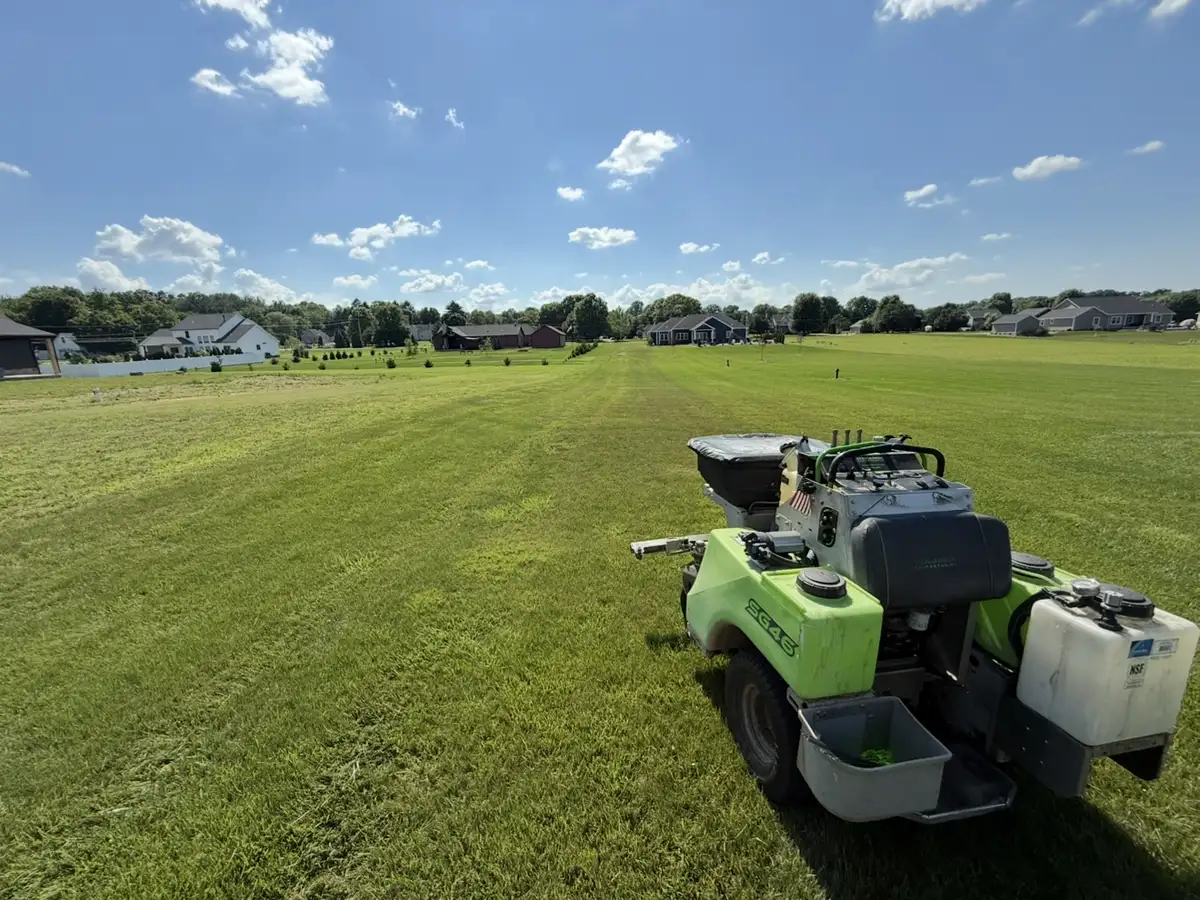
Every active Field of Dreams lawn care customer is entitled to unlimited complimentary service calls between their scheduled treatment applications. This is not a limited warranty or a one-time callback — it is a standing offer that lasts for the duration of your program.
Here is how it works. If you notice anything concerning between your regular treatments — a weed breakthrough, a discolored patch, insect activity, or any other issue — call our office at 216-328-0551 and we will send a technician to your property at no additional charge. The technician will diagnose the issue, apply any necessary treatment, and explain what caused the problem and how to prevent it going forward.
This policy exists because we understand that lawn care is not a set-and-forget service. Ohio's weather is unpredictable. Heat waves, heavy rain, drought, and temperature swings can all create conditions that challenge even well-maintained lawns between scheduled visits. A weed breakthrough after a warm rain or a brown patch triggered by humidity does not mean the program is failing — it means the lawn needs attention between applications.
National chains typically charge for callback visits or limit them to one per season. Local competitors may offer a single redo for the most recent application. Field of Dreams includes unlimited service calls because we believe if something is wrong with your lawn, we should fix it — period. That is what it means to treat your lawn as our own.
Free service calls cover weed re-treatments, spot applications for pest activity, disease diagnosis, and general lawn health assessments. They do not replace scheduled program applications — they supplement them to ensure your lawn stays healthy and green between visits.
Complete Protection
Why Specialty Treatments Matter
Standard fertilization and weed control programs address the most common lawn care needs. Specialty treatments cover the gaps that standard programs cannot.
Winter Damage Prevention
Snow mold can destroy months of lawn care progress in a single winter. Prevention treatment costs a fraction of the reseeding and recovery work required after an unprotected winter.
Hidden Pest Detection
Surface insects cause damage that looks like drought stress, disease, or neglect. Proper identification and targeted treatment stops the real cause before permanent damage occurs.
Peace of Mind
Unlimited free service calls mean you never have to wonder whether an issue is worth calling about. If something looks wrong, call us. That is what we are here for.
Common Questions
Specialty Treatments FAQ
Complete Lawn Protection, Year-Round
Get a free estimate for specialty treatments. Serving Independence, Cleveland, and 50+ communities across Northeast Ohio.