
How It Works
What Is Foundation Insect Control?
Foundation insect control is a perimeter-based treatment that creates an insecticide barrier around the exterior base of your home. A professional-grade liquid insecticide is applied along the foundation wall, extending outward into the soil and mulch beds that surround your house. This barrier intercepts crawling insects before they find their way inside through cracks, gaps, utility lines, and door frames.
The treatment targets the pests where they live and travel — not inside your living space. Unlike interior pest control, which addresses insects after they have already entered your home, foundation insect control stops them at the source. It is a proactive, exterior-only approach that keeps your home pest-free without the need for indoor sprays, traps, or baits.
At Field of Dreams Lawn Care, we apply foundation insect treatments on a quarterly schedule throughout the active pest season. Each application provides approximately 60 to 90 days of barrier protection, and our timing is calibrated to Ohio's seasonal pest activity cycles so your home stays protected when insect pressure is highest.
Pests We Target
Common Foundation Pests in Ohio
Northeast Ohio's climate creates ideal conditions for dozens of crawling insect species. These are the most common foundation invaders our treatments eliminate.
Ants
Pavement ants, carpenter ants, and odorous house ants are the three most common species invading Ohio homes. They enter through foundation cracks as small as 1/16 of an inch and establish indoor colonies near moisture sources. Carpenter ants are especially destructive because they tunnel into wood framing, causing structural damage similar to termites.
Spiders
Common house spiders, wolf spiders, and cellar spiders follow their prey insects indoors through the same foundation gaps. Spiders are a secondary indicator — if you see them inside, it means other insects are already present. Our perimeter barrier reduces the insect population that attracts spiders in the first place, breaking the cycle.
Beetles & Other Crawlers
Ground beetles, Asian lady beetles, pill bugs, earwigs, centipedes, and silverfish are all common foundation invaders in the Cleveland area. Many of these species are most active during spring and fall temperature swings, when they seek shelter from changing outdoor conditions. Our quarterly treatment schedule is timed to these seasonal peaks.
Exterior vs. Interior
How Foundation Control Differs From Interior Pest Control
Many homeowners assume pest control means calling an exterminator to spray inside the house after bugs appear. Foundation insect control takes the opposite approach. Instead of reacting to an existing infestation, our perimeter barrier prevents one from forming.
Interior pest control services typically involve spraying baseboards, setting bait stations, and treating specific rooms where insects have been spotted. While effective for active infestations, this approach means pests have already entered your living space, contaminated surfaces, and potentially caused damage before treatment begins.
Our exterior-only foundation treatment creates a chemical barrier in the soil and along the foundation wall that insects must cross to reach your home. Professional-grade insecticides bind to soil particles and remain effective for 60 to 90 days regardless of rain or irrigation. The result is continuous protection without any chemicals applied inside your home — safer for children, pets, and anyone with sensitivity to indoor treatments.
For homeowners who already have an interior pest control service, foundation insect control is an excellent complement. The exterior barrier reduces the volume of insects reaching your home, which means fewer pests for interior treatments to manage and longer intervals between indoor service calls.
Treatment Schedule
Quarterly Application Timing for Ohio
Each application is timed to coincide with seasonal pest activity spikes in Northeast Ohio. Four treatments per year provide continuous barrier protection from spring through late fall.
Early Spring (March - April)
The first application targets overwintering insects that emerge as soil temperatures climb above 50 degrees. Ants begin establishing new colonies in early spring, and this treatment intercepts them before they scout your foundation for entry points. Early spring is also when centipedes and ground beetles become active after winter dormancy.
Early Summer (June - July)
Peak insect season in Ohio. Warmer temperatures and higher humidity drive rapid population growth for ants, spiders, and virtually every crawling insect species. This application refreshes the barrier during the window of highest pest pressure. It also coincides with Japanese beetle season, when adult beetles are most active around foundations and landscaping.
Late Summer (August - September)
As summer heat peaks and early fall approaches, insects begin seeking cooler shelter — and your foundation is a prime target. This treatment maintains protection through the late-summer activity surge and into the fall migration period when Asian lady beetles, stink bugs, and box elder bugs attempt to enter homes for winter harborage.
Late Fall (October - November)
The final application of the season targets the fall invasion wave. Many species attempt to overwinter inside wall voids and crawl spaces, entering through the foundation before the first hard freeze. This treatment ensures your home is sealed against late-season invaders and provides residual protection into early winter.
Ohio-Specific Challenges
Why Northeast Ohio Homes Are Vulnerable
Ohio's humid continental climate creates a perfect storm for foundation pest activity. Hot, humid summers drive rapid insect reproduction. Cold winters push insects to seek harborage in heated structures. And the transitional months of spring and fall create migration waves as insects respond to changing temperatures.
Beyond climate, the construction characteristics of homes in the Cleveland area make them especially susceptible. Many homes in Independence, Parma, Seven Hills, and surrounding communities were built between the 1950s and 1980s on poured concrete or block foundations. Over decades, these foundations develop hairline cracks, joint gaps, and settling separations that provide easy entry points for insects.
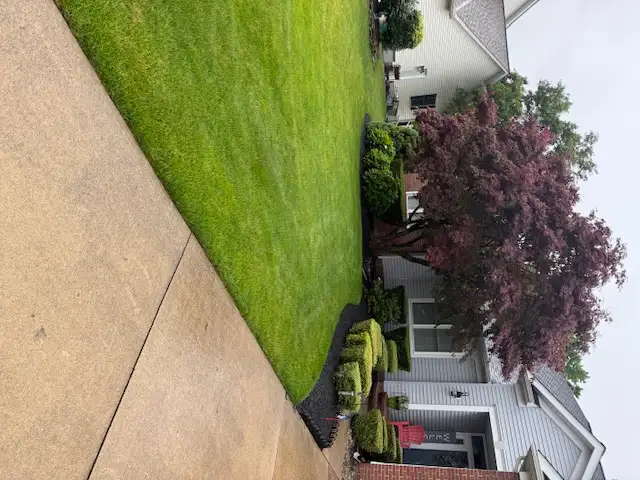
Homes with mulch beds, dense landscaping, or leaf accumulation against the foundation face additional risk. Organic material retains moisture and creates ideal habitat for ants, pill bugs, earwigs, and centipedes — all within inches of your foundation wall. Our treatment addresses this by treating both the foundation surface and the surrounding soil where these insects harbor. For yard maintenance steps that complement our perimeter barrier, read our guide on preparing your Ohio yard for mosquito and tick season.
Even newer construction is not immune. Utility penetrations for gas lines, water pipes, electrical conduit, and HVAC lines create gaps that insects exploit. Garage door seals, basement window wells, and dryer vents are additional entry points that our perimeter barrier protects against.
Common Questions
Foundation Insect Control FAQ
Keep Pests Out of Your Home
Get a free estimate for quarterly foundation insect control. Serving Independence, Cleveland, and 50+ communities across Northeast Ohio.