Core Aeration & Overseeding in Cleveland, Ohio

Plug aeration breaks through compacted clay soil so water, air, and nutrients reach the root zone. Combined with overseeding, it is the fastest way to thicken thin, stressed lawns across Northeast Ohio.

Your Lawn Cannot Breathe Through Clay

Beneath most Northeast Ohio lawns lies a layer of dense, heavy clay soil that compacts more with every season. Foot traffic, lawn mowers, rain, and snow pack the soil tighter each year, squeezing out the air pockets and drainage channels that grassroots need to survive. According to Ohio State University Extension, soil compaction is the single most common cause of poor lawn performance in the state.

Core aeration — also called plug aeration — is the mechanical process of removing small cylindrical plugs of soil from your lawn, creating channels that allow water, oxygen, and fertilizer to reach the root zone directly. Each plug is approximately 2 to 3 inches deep and three-quarters of an inch in diameter, spaced every 3 to 4 inches across the entire lawn surface.

The result is immediate: water infiltration improves, roots grow deeper, fertilizer reaches where it is needed, and thatch begins to decompose naturally. Within two to three weeks, the soil plugs break down on the surface, redistributing nutrients back into the lawn. Combined with overseeding, aeration transforms thin, stressed turf into the thick, resilient lawn your property deserves.

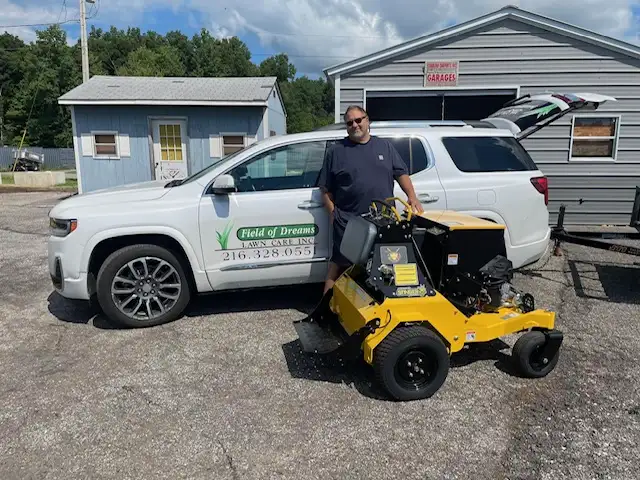
Professional core aeration equipment used by Field of Dreams Lawn Care on Northeast Ohio lawns

How Core Aeration and Overseeding Works

Our aeration and overseeding service is a multi-step process designed to deliver maximum results on Ohio's challenging clay soils.

Property Assessment

Our technician evaluates your lawn's current condition, identifying areas of heavy compaction, thin turf, bare spots, and thatch buildup. We note sun and shade patterns because these affect which seed varieties will perform best on your property. The assessment determines the aeration pattern, number of passes, and overseeding mix tailored to your specific lawn.

Core Aeration

Using commercial-grade plug aeration equipment, we pull thousands of soil cores across your entire lawn. Each core is 2 to 3 inches deep — penetrating through the compacted surface layer into the soil below. High-traffic areas and heavily compacted zones receive multiple passes to ensure adequate relief. The soil plugs are left on the surface to decompose naturally, returning nutrients and beneficial microorganisms to the lawn.

Overseeding

Immediately after aeration, we spread a premium seed blend across the lawn. The freshly pulled aeration holes create ideal seed-to-soil contact — the critical factor in successful germination. For Northeast Ohio, we use a blend of Kentucky bluegrass, perennial ryegrass, and tall fescue varieties selected for performance in Zone 6a conditions. Seed rates are calibrated based on your lawn's current density and the severity of thin areas.

Post-Service Care

We provide detailed watering instructions specific to your property. New seed needs consistent moisture for 14 to 21 days to establish. You will see germination beginning within 7 to 10 days for ryegrass and 14 to 21 days for bluegrass. By week four, new grass plants are established and ready for normal mowing. The aeration holes close naturally within two to three weeks as the soil plugs decompose.

Why Cleveland Lawns Need Annual Aeration

Northeast Ohio sits on some of the heaviest clay soil in the Midwest. Cuyahoga, Lorain, and Medina counties are predominantly clay and clay loam — soil types that compact severely under normal residential use. Unlike sandy soils that drain freely, clay particles pack together tightly, creating a nearly impermeable surface that suffocates grass roots.

The numbers tell the story: compacted clay soil can reduce water infiltration by up to 75% compared to properly aerated soil. Grassroots in compacted conditions grow less than half as deep as roots in aerated soil, leaving the lawn vulnerable to drought, heat stress, and disease.

National lawn care chains often recommend aeration "every two to three years." In Northeast Ohio's clay soils, that is not enough. Annual aeration is the standard recommendation from Ohio State University Extension for clay-heavy properties — and that is what we recommend for most lawns in our service area.

Aeration also enhances the effectiveness of your fertilization program. When soil is compacted, fertilizer sits on the surface and washes away with the next rain. After aeration, those nutrients move directly into the root zone where they are absorbed. Customers who combine aeration with our 7-step fertilization program consistently see faster green-up, better density, and improved weed resistance.

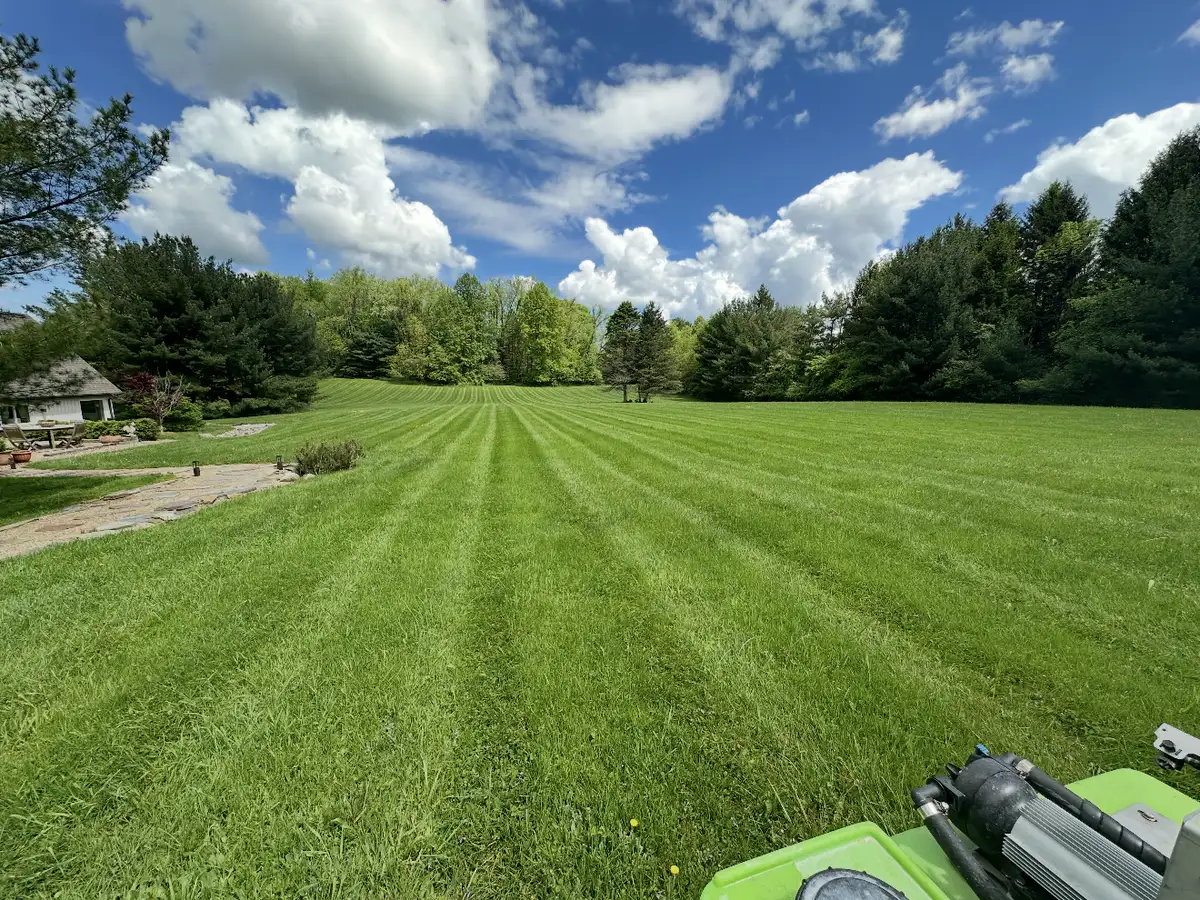
Thick, striped lawn achieved through annual core aeration and professional fertilization in Northeast Ohio

When to Aerate Your Lawn in Ohio

The timing of aeration directly impacts how well your lawn responds. Northeast Ohio's climate creates two viable aeration windows — but one is clearly superior.

Fall Aeration (Recommended)

Early fall — September through mid-October — is the ideal aeration window in Northeast Ohio. Daytime temperatures between 60 and 75 degrees create perfect conditions for seed germination and grass recovery. Soil moisture returns after summer drought. Cool-season grasses are entering their most aggressive growth phase, and weed germination pressure drops significantly. Fall aeration combined with overseeding produces the best results of any single lawn care service available.

Spring Aeration (Alternative)

Spring aeration is effective for compaction relief but must be timed carefully around crabgrass pre-emergent applications. Aerating after pre-emergent is applied can break the chemical barrier, allowing crabgrass to germinate in the aeration holes. If spring aeration is necessary, we coordinate timing with your fertilization schedule to minimize this risk. Spring overseeding has lower success rates than fall due to summer heat stress on young seedlings.

Why Not Summer?

Summer aeration is not recommended in Northeast Ohio. Cool-season grasses are already stressed by heat and potential drought conditions. Aerating during this period can cause additional damage rather than improvement. The soil is often too dry and hard for effective core extraction, and any seed applied would face intense heat stress during the critical germination period. Wait for fall — it is worth it.

What Core Aeration Does for Your Lawn

  • Relieves Soil Compaction — Thousands of soil plugs create channels for air, water, and nutrients to penetrate Ohio's heavy clay.
  • Promotes Deeper Root Growth — Roots can grow 50% to 100% deeper in aerated soil, improving drought tolerance and overall turf health.
  • Improves Water Infiltration — Aerated lawns absorb up to 75% more water, reducing runoff and standing water after heavy Cleveland rains.
  • Enhances Fertilizer Uptake — Nutrients reach the root zone directly instead of sitting on the compacted surface and washing away.
  • Reduces Thatch Buildup — Aeration introduces soil microorganisms to the thatch layer, accelerating natural decomposition.
  • Thickens Thin Lawns — Overseeding into freshly aerated soil achieves germination rates 2 to 3 times higher than broadcasting seed on unprepared ground.
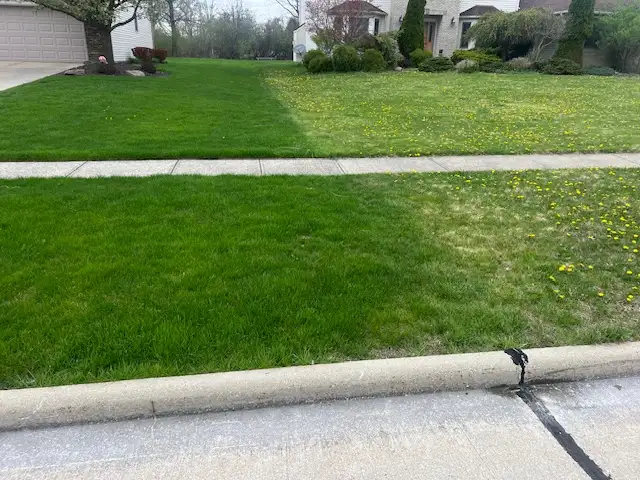
Before and after results of core aeration and overseeding on a Northeast Ohio lawn

Core Aeration FAQ

Core aeration for an average-sized suburban lawn in the Cleveland metro area typically costs between $75 and $200, depending on lawn size and condition. Aeration combined with overseeding generally ranges from $150 to $350. Field of Dreams provides customized pricing based on your property's square footage and specific needs. Call 216-328-0551 for a free estimate — we will visit your property and provide an exact quote.

Yes. The soil cores should be left on the lawn to decompose naturally. They break down within two to three weeks, redistributing nutrients and beneficial soil microorganisms back into the turf. The decomposing cores also help break down the thatch layer. While the plugs may look untidy for the first week, raking or removing them eliminates a significant benefit of the aeration process.

For Northeast Ohio's clay soils, annual aeration is recommended by Ohio State University Extension. Lawns with heavy foot traffic, clay-dominant soil, or visible compaction symptoms — such as standing water after rain, thin turf, or hardpan that resists a screwdriver — may benefit from aeration twice per year (spring and fall). Lawns on sandier soil types may only need aeration every other year, but these are rare in the Greater Cleveland area.

Absolutely — and we recommend it. Aerating immediately before a fertilization application is one of the most effective combinations in lawn care. The aeration holes allow fertilizer to reach the root zone directly, improving nutrient uptake by 25% to 40% compared to applying fertilizer on compacted soil. Our early fall fertilization step (Step 5 of our 7-step program) is specifically designed to pair with aeration for maximum results.

Give Your Lawn Room to Breathe

Get a free estimate for core aeration and overseeding. Serving Independence, Cleveland, and 25+ communities across Northeast Ohio since 1997.